


- Dubai is preparing to close DXB, which handles over 90 million passengers a year, and move to Dubai World Central.
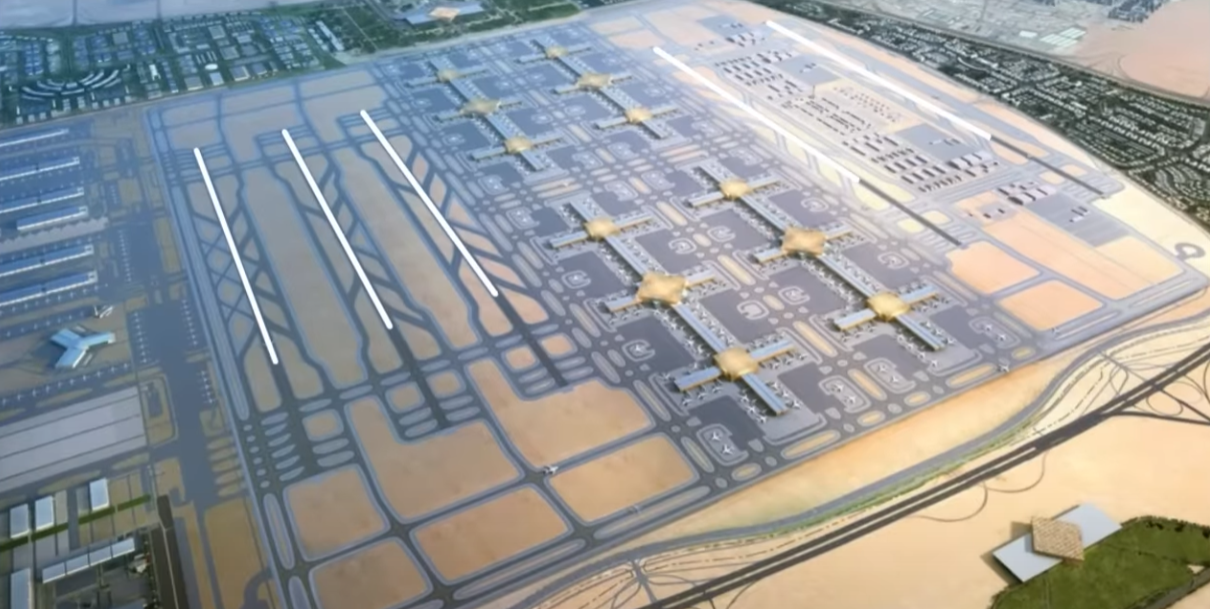
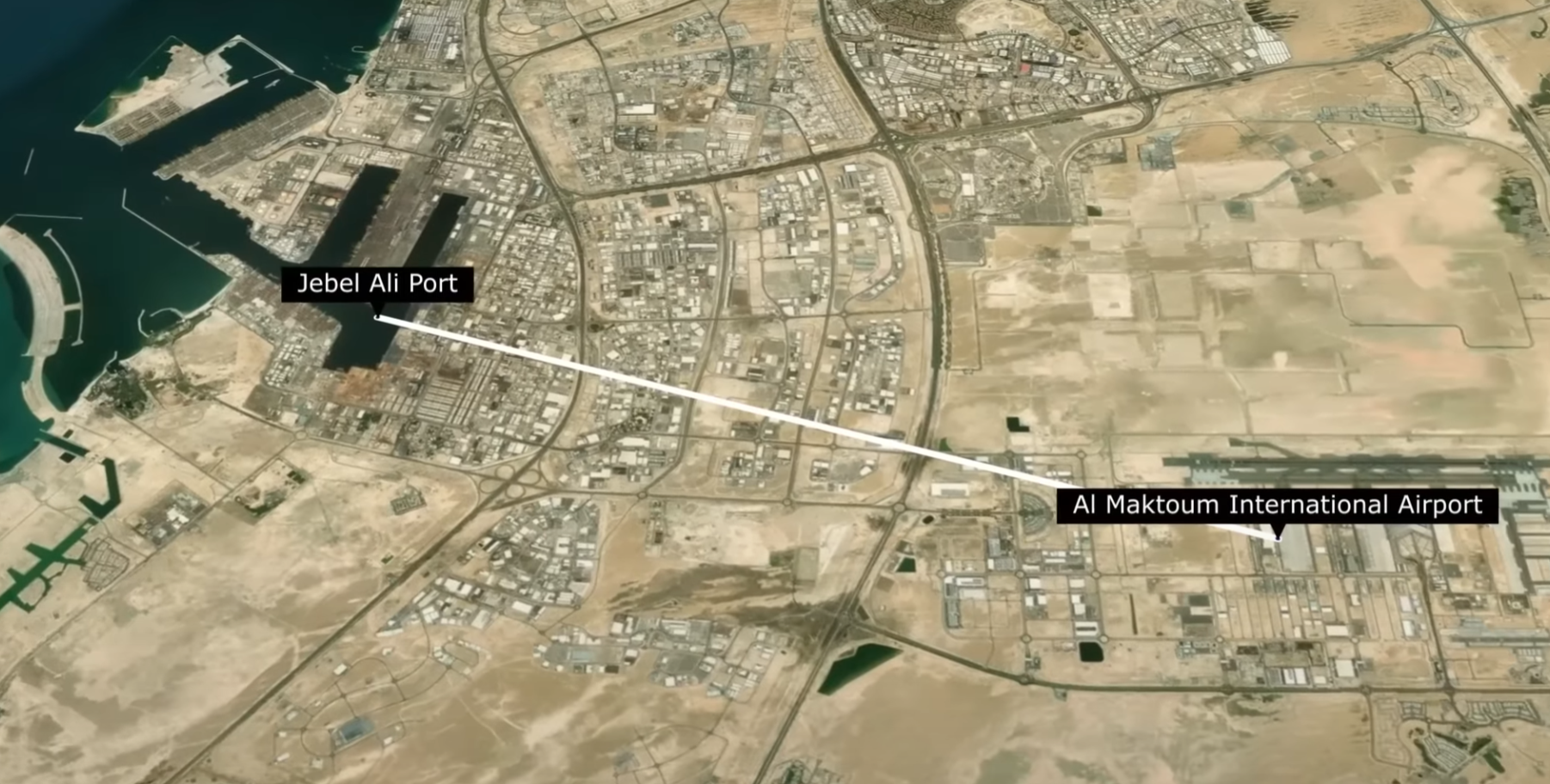
- DWC is designed for 260 million travellers a year, with five parallel runways and a direct link to the Port of Jebel Ali.
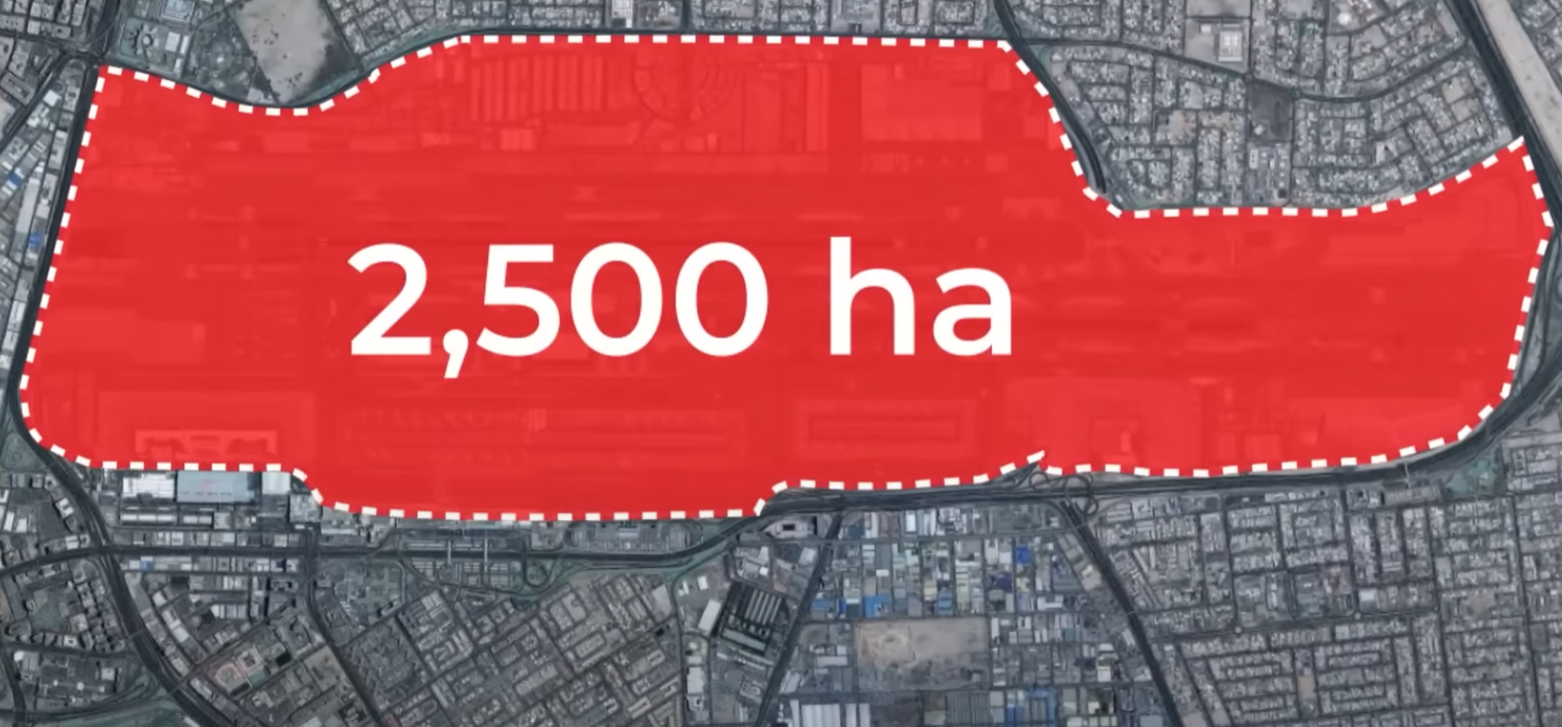
- By 2035, Emirates’ entire fleet is expected to operate from DWC. DXB’s 2,500 hectares will be redeveloped.
- For investors, it is a lesson in capital reinvention: legacy assets must adapt to remain relevant.
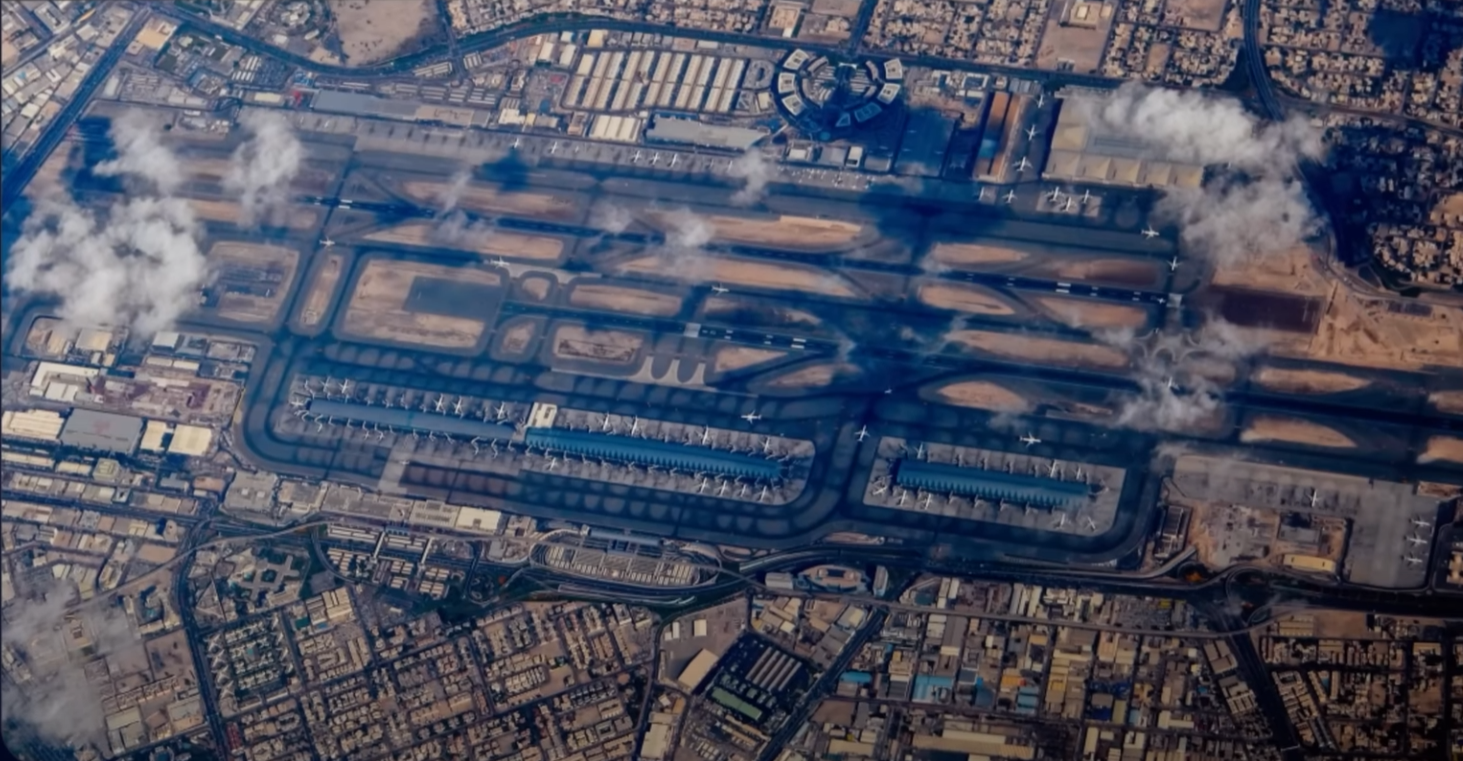
In the heart of the Gulf, a city is preparing to do something no city has done before: dismantle the infrastructure that made it global. Dubai International Airport (DXB) is the busiest international airport in the world and a symbol of modernity, ambition and urban engineering. Each year, over 90 million passengers pass through its gates, more than the population of Germany. Yet Dubai is preparing to close it.
This is the boldest act of succession planning the aviation world has seen. In its place rises Dubai World Central (DWC), a hub designed to host 260 million travellers a year and to redefine global mobility.
At Redwood Heritage, we read such moves as strategic signals. What a city chooses to dismantle is often more telling than what it builds. Dubai is closing one era and shaping the next.
From Crowning Achievement to Strategic Constraint
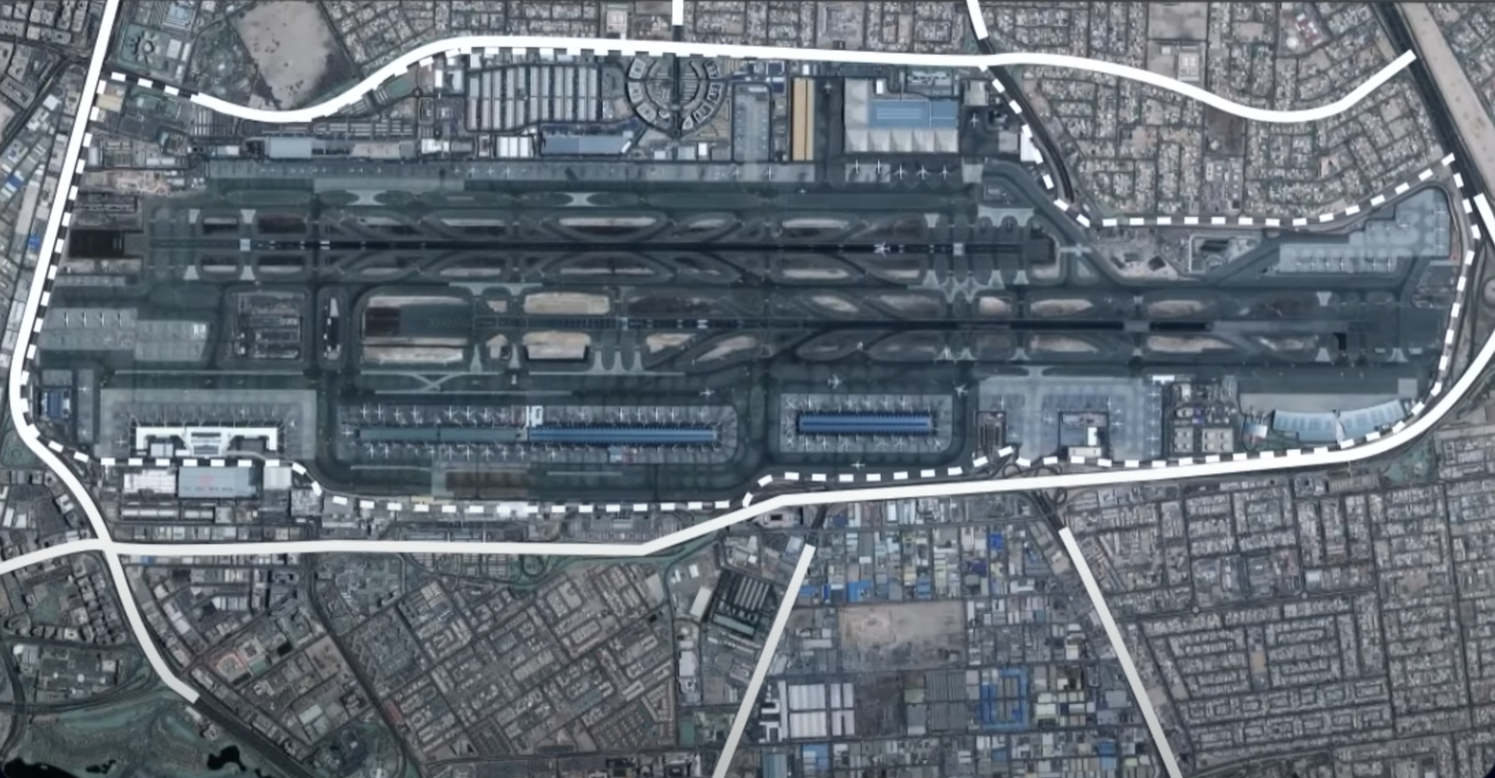
DXB began modestly in 1960 with a single runway in the sand. Over the decades it became a highly connected hub supporting 13% of the UAE’s GDP and helping position Dubai as a global city. It is now constrained by its own success: surrounded by urban density, congested roads and saturated airspace, DXB has reached the limits of its physical capacity.
The pressures are geopolitical and economic as well as spatial. Regional peers such as Doha, Riyadh and Istanbul are building ambitiously. Standing still would risk obsolescence as well as congestion.
We recognise this dilemma from legacy portfolios, where a crown jewel begins to constrain rather than enable growth. Legacy must remain adaptable: preserved in value but not frozen in form. Dubai’s pivot is an act of economic self-renewal in pursuit of sustained relevance.
The Pivot: Thinking in Centuries
Rather than retrofit an ageing asset, Dubai is choosing to build anew, at a step change in scale. With five parallel runways, two super terminals and real time biometric flows, DWC represents a breakthrough in logistics, sustainability and design.
DWC is designed as an aerotropolis: an integrated urban logistics zone, digital hub and human gateway. It will link directly with the Port of Jebel Ali, forming the world’s first air and sea freight supercorridor. The ambition extends beyond moving people faster to redefining how cities grow and compete.
This level of integration is rare, but it reflects the direction of global infrastructure: nodes that combine transport, trade, data and community. As long term investors, we see in DWC a test of sovereign coordination, climate strategy and digital convergence as well as a transport hub.
Digital Twin, Human Centre
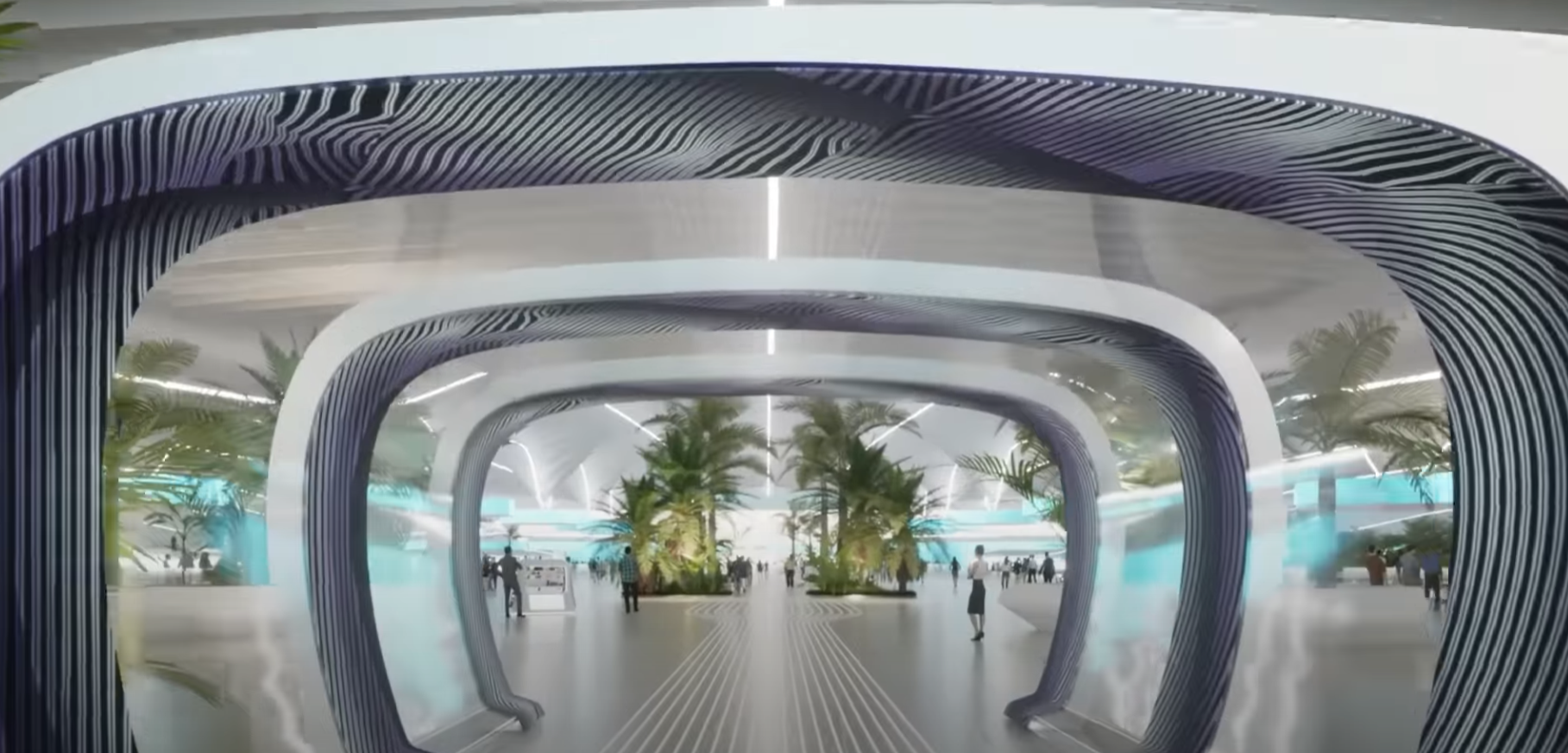
At its core, DWC will be managed through a real time digital twin, a virtual mirror of every aircraft, bag and service in motion. Operations will become predictive rather than reactive, with artificial intelligence anticipating delays, rerouting flows and optimising energy use at scale.
DWC is also being built for a net zero future. Solar arrays will cover 60% of surfaces, and smart systems will manage energy, water and waste with precision. It demonstrates that large scale infrastructure and sustainability can advance together in Dubai.
At Redwood Heritage, we treat these developments as trend lines. Net zero logistics zones, digital twins in real asset management and predictive infrastructure governance are themes we track with rigour, and they inform our clients’ allocations across the city.
Orchestrating the Transition
Moving 90 million passengers from DXB to DWC is a complex operation on a living city. The transition will unfold over the next decade in carefully sequenced phases. Emirates SkyCargo will relocate first, testing systems with freight before passengers follow.
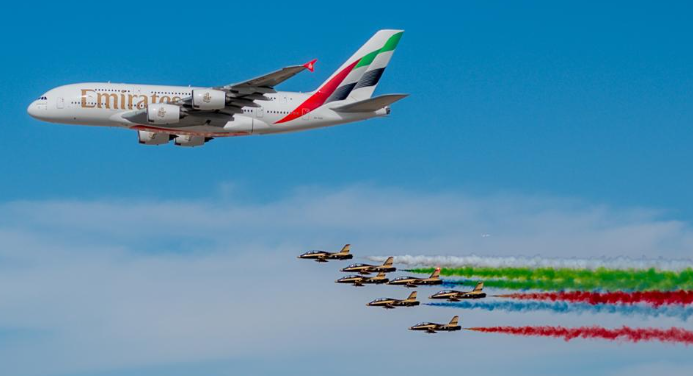
By 2035, Emirates’ entire fleet, including its remaining A380s, will operate from DWC. A high speed rail line will connect both airports to allow seamless transfers during the transition. Baggage, check-in and customer experience are being redesigned to anticipate disruption before it reaches the traveller.
The transition is reputational as well as operational, and Dubai cannot afford to fail.
The lesson is instructive. Every family office, institution or sovereign fund eventually faces a version of this dilemma: how to transfer momentum without rupture, and how to evolve a legacy without breaking trust.
We believe the answer lies in measured transition: pilot, optimise, expand, and above all communicate the purpose of the change.
DXB City: Reclaiming the Past
What of DXB itself? Its 2,500 hectares of ultra prime urban land will be transformed rather than left idle.
Runways are expected to become boulevards. Terminals may host technology start-ups, museums and cultural venues, and housing will rise where first class lounges once stood. The old control tower is to be preserved as a monument to the ambitions it once launched.
This is redevelopment as renewal, and a testament to Dubai’s ability to evolve as well as to build.
There is a rare elegance in turning past achievement into future opportunity. At Redwood Heritage, this is the essence of stewardship: regeneration for future relevance rather than preservation for its own sake.
Implications for Global Infrastructure
DWC is a signal. For institutional investors, it sets a precedent: infrastructure built for the next century must combine scale with sustainability, and logistics with liveability.
For family offices, it raises a generational question: are we thinking boldly enough about legacy assets, and are we prepared to set aside today’s success to make room for tomorrow’s relevance?
For sovereign wealth funds and global planners, it carries a warning: urban obsolescence is accelerating. Redundancy is becoming a 20 year cycle rather than a 50 year event, and strategic foresight has become essential.
At Redwood, we see DWC as a lesson in capital reinvention, a reminder that transformation requires a clear philosophy as well as funding.
A New Gravity in Aviation
If Dubai succeeds, the gravity of global aviation will shift. Airlines will redraw route maps, logistics firms will redesign supply chains, and the way we think about human, digital and commercial connection will adapt.
DWC may also redefine ambition in the 21st century: the willingness to part with what once worked in order to make room for what is needed next.
This is why Redwood Heritage follows such stories closely. True progress can resemble loss in the short term, but across decades it is the clearest signal of all: the discipline to outgrow oneself.
As DXB approaches its final departures, a city is transforming itself, and the rest of us may be prompted to ask what we are still holding onto that should be released.
Dubai’s answer is clear. It is prepared to move the sky.
Redwood Heritage. Strategic legacy, elevated vision.

